Cans for Kai: Waste from consumerism now a community treasure

NZ Herald.

LegaSea’s Kai Ika Project, in partnership with Papatūānuku Kōkiri Marae, Westhaven Marina and Outboard Boating Club, is introducing a new fundraising initiative – Cans for Kai.

The project, which has been steadily growing since 2016, is driven by the philosophy “waste not, want not”.

They collect unwanted fish heads and frames and share these delicacies with communities that revere them. To date, the Kai Ika Project has successfully diverted over 365,000 kilograms of kaimoana [seafood] from landfill.

“In response to the growing challenges facing our hapori [community], the Kai Ika Project has experienced a surge in demand.

Read more

Fish tales: Kai Ika bringing fish heads to those that need (and want) them most

The Feed.

With Aotearoa’s fish stocks under pressure from over-fishing, the way we consume fish becomes a vitally important issue. Many New Zealanders, particularly Pākehā, eat only the fillets of the fish and tend to discard those delicious and nutritious parts that the late chef Anthony Bourdain approvingly labelled the nasty bits. These wasteful habits mean we need to take more fish out of the ocean and further endanger our natural resources. In a time of rising costs when many people are struggling to put food on the table, this profligacy is inexcusable.

Read more.

Phoenix Metalman Recycling – LegaSea Lifeblood

New Zealand Fishing News.

Contemporary buzzwords like ‘sustainability‘, environmental responsibility’, and ‘transformation’ are bandied about a lot these days, but it’s rare to come across an organisation that genuinely walks the talk in this space. Enter Phoenix Metalman Recycling, a 100% Kiwi-owned, nationwide recycling business focused on the circular economy.

What is the circular economy, you might ask?

It’s an economic system based on the reuse and regeneration of materials or products. Phoenix plays their part by recovering metals that are infinitely recyclable in order to reduce the demand for landfill, deforestation, mining, and emissions.

“We have the protection of New Zealand’s environment at the core of our business purpose,” says Executive Director, CEO, and founder Eldon Reeve.

Read more.

‘Food of chiefs’: There’s more to eating fish heads

Fish heads, says Peter Gordon, are known as “the food of the chiefs” in Māori food lore.

“New Zealanders on the whole would think of a fish head as cheap food, but for many cultures it’s the best part of the fish.”

I’m in a one-on-one cooking class with the acclaimed chef, who’s talking me through the menu for his upcoming Kai Tāmaki Makaurau event as part of Auckland’s Restaurant Month.

A four-course menu at his waterfront restaurant Homeland will kick off with a fish head crostini; guests are encouraged to get hands-on making the dish, and Gordon is generously giving me a private preview.

The Press, July 30, 2023.

Read the article.

Tackling cost of living issues, one fish carcass at a time

While it’s not a new project, the team at Kai Ika Project Wellington are seeing a huge increase in demand from when they started 12 months ago.

Volunteer Chris Jupp reflects back on when he started with the company: “Our first drop we picked up two small poly bins [about 36 kgs].

“We brought it out, and just put the call out to see if there was any interest. Three hours later, they’d all been picked up.”

Read more on 1News here.

Kai Ika Wellington hopes to raise $18k for new van

A project to feed those in need with leftover fish is hoping to raise $18,700 to get a new van and make sure more kaimoana does not go to waste.

Every week, Chris Jupp from Kai Ika picks up fish heads and frames from two fish distributors in Wellington in his own station wagon. He then heads to drop-off points in the city, Porirua and Lower Hutt, where volunteers help distribute to families in need for free.

Read the full article here.

If you would like to contribute on the Give a Little page, you can do so here.

Kai Ika Expands their Distribution Channels

The Kai Ika Project is proud to announce Hope Worldwide-Pakistan has joined the directory of kaimoana recipients.

Every Wednesday between 12pm-2pm kaimoana will be available from the Hope Worldwide distribution facility in West Auckland.

About Hope Worldwide-Pakistan
HOPE is a faith-based Humanitarian Organization for Poverty Eradication, Incorporated under Charitable Trust Act 1957 and a Registered Charity under Charities Act 2005 in New Zealand. HOPE is a non-governmental and not-for-profit charitable organization formed by a group of committed people those are very keen to bring to change and improve people’s lives by providing ample opportunities and resources.

The organization works to empower the marginalized and deprived communities enabling them to fight for their rights and support them through providing opportunities, advocacy and empowering to become effective part of the society. HOPE has striven to help communities to realize their best potential by providing economic, social ,moral and financial assistance.

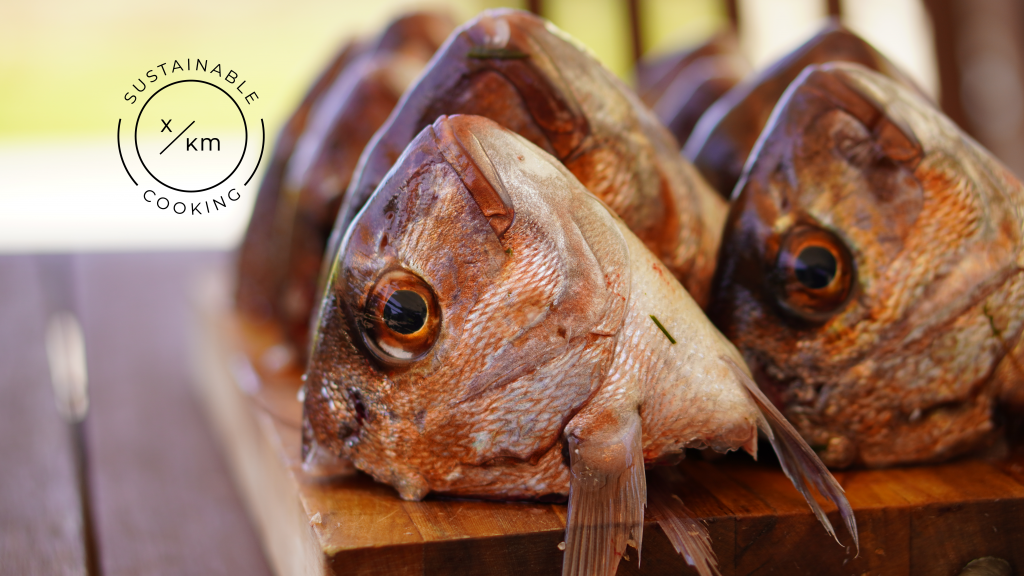
Snapper Head Terrine

This recipe is for the days you get the elusive full bin!
A full bin is a lot of fish, when you start looking at the full yield from one snapper you have a good week’s worth of food and recipes to get through.

This recipe will use all your heads up in one go and keep for up to 7 days.

I scale my fish in the back paddock to save the mess but it’s just as easy to get it done out at sea, scaling the whole fish is key to maximum utilization, after you’ve gilled and gutted the fish lob of the heads, smaller fish you can cut from the wing back to the top of its head, on both sides then flip the fish so the dorsal fin is facing you grab the head and the body and bend it back on itself to release the head.
Larger fish you might need to cleveer through the spinal cord to then break the head.


Recipe by: Tim Nightingale – x_kilometres
Prep Time: 
20 minutes
Cook Time: 60 minutes
Feeds: 
4 as snacks
Difficulty: 
3/5
Part of fish: 
Heads

Ingredients:

  • 14 snapper heads
  • sea salt

Aromats for stock:

  • Fennel herb
  • Macadamia
  • Bay leaf x3
  • lemon zest x 1 lemon
  • thyme x 1 bunch
  • dry chilli x 3
  • water 6L


Method:

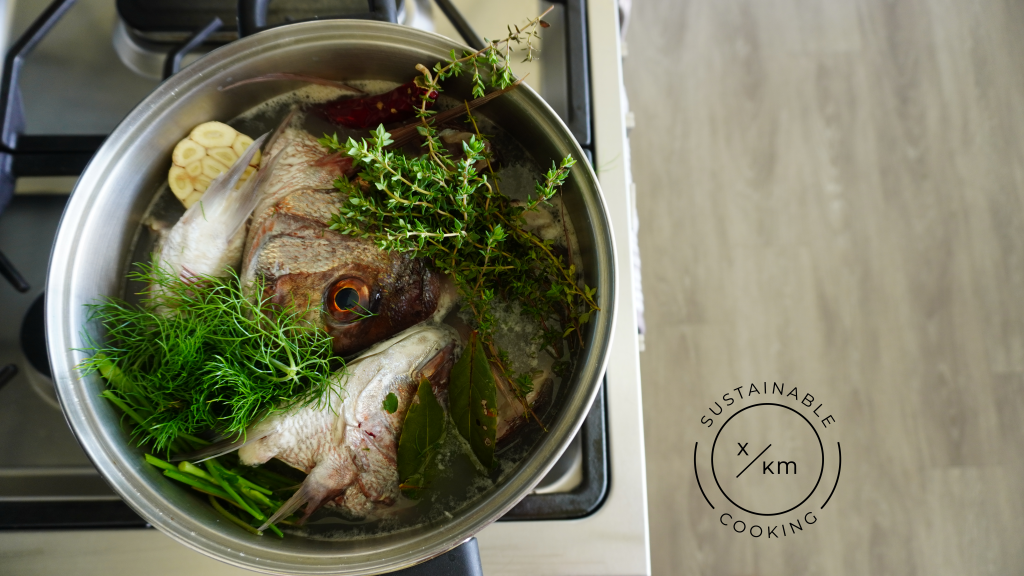
  1. Rinse heads under running water until it runs clear.
  2. Add aromats and bring your pot to a rapid simmer, as soon as it is simmering turn the pot down to a gentle simmer.
  3. Cook your heads for about 10 minutes or until the flesh is just flaking from the bone, you don’t want to over cook the flesh or your tarrine will be to dry and not have the desired texture.
  4. As you’re picking the meat of the heads you will be reducing your pot to 1/6 of the original volume.
  5. The collagen in the liquid is what will help set your terrine overnight and this is going to give a massive umami kick.
  6. Line a mould with cling film I used a long Sistema clip container.
  7. Mix all the meat and other ingredients into the bowl and taste for seasoning.
  8. Fill the lined mould and use another Systema container the same size to weigh down the mix, I cling filmed the two containers together to add extra weight.
  9. Let sit in the fridge over night or for at least 6 hours.
  10. The next day slice it and eat on a toasted bit of sourdough or set a slab on any antipasti board.

WWPD? What would Papatūānuku do?

Viv sat down for a kōrero with Dallas Abel, the Project Coordinator for the Kai Ika project, to talk about their kaupapa and role in moving towards a sustainable future.

When you see fish in the supermarket it may seem perfectly normal to look down and just see fillets. Looking down at these two little rectangles, it’s easy to forget the actual animal they came from. One with a head, eyes, spine, wings, and a tail.

However, these fillets only make up around 35% of the fish. Because most Kiwis only eat the fillet, the remaining 65% will end up in landfill. The Kai Ika Project aims to change this by making the most out of this 65%. The project is a collaboration between LegaSea, the Outboard Boating Club of Auckland, and Papatūānuku Kōkiri Marae.

Continue reading:
WWPD? What would Papatūānuku do? (debatemag.com)