Instagram, June 2025
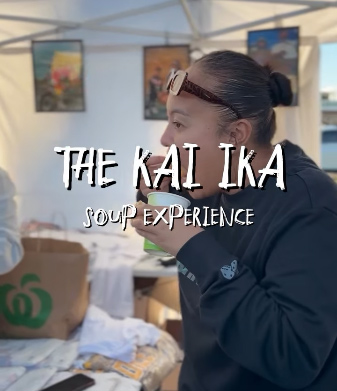
Taking the future of taste out into our community
Waste not, want not
Maori TV, Home, Land and Sea, Episode 4 – Papatūānuku Kōkiri Marae
Nestled in the heart of Mangere an urban marae is producing and redistributing kai to those that need it most. Driven by manaakitanga and the tikanga of those before them Papatūānuku Kokiri Marae is on a mission to help the community thrive.
Newstalk ZB, 9 December 2024
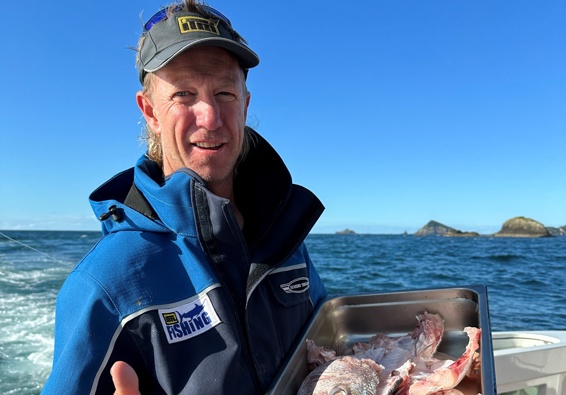
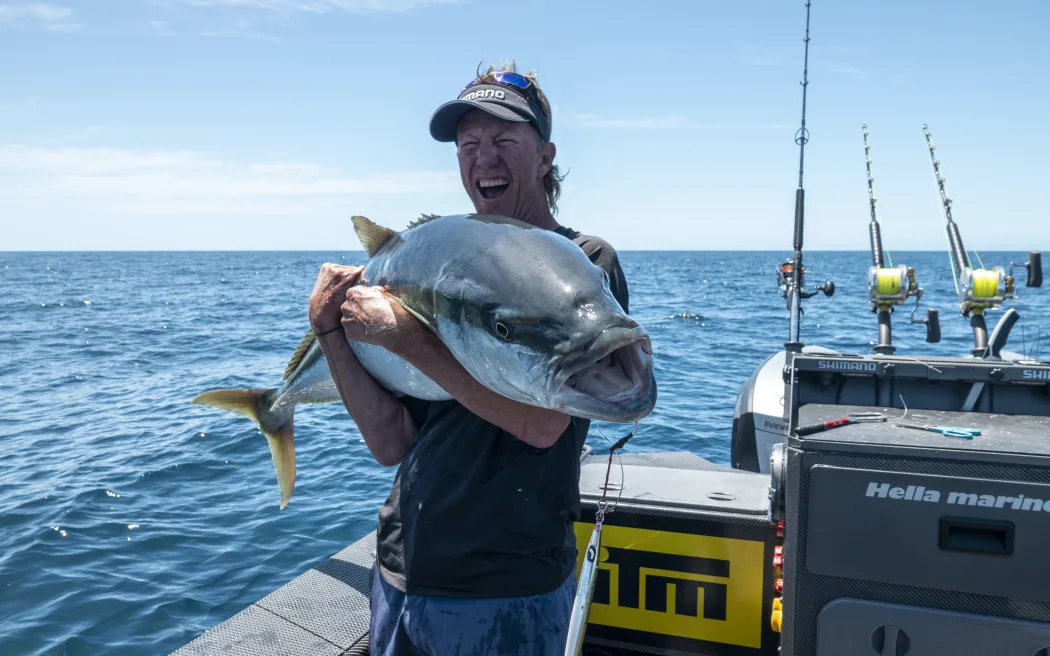
An unconventional app is bringing Kiwis together through a love of fish heads. Free Fish Heads allows fishers to connect with seafood lovers who are after often-discarded fish parts – including fish heads – for cooking purposes. The app is the brainchild of TV fishing personality Matt Watson, who says there’s no excuse for discarding perfectly good food.
RNZ. December 2024.
For every kilo of fish that you give to somebody to eat, that’s a kilo of fish still swimming in the ocean, says TV fishing personality Matt Watson. It’s why he’s been on a mission to connect fish head eaters with fish head catchers for over ten years. The latest version of his hook-up app for fish head lovers launches Friday.
NZ Herald, October 2024.
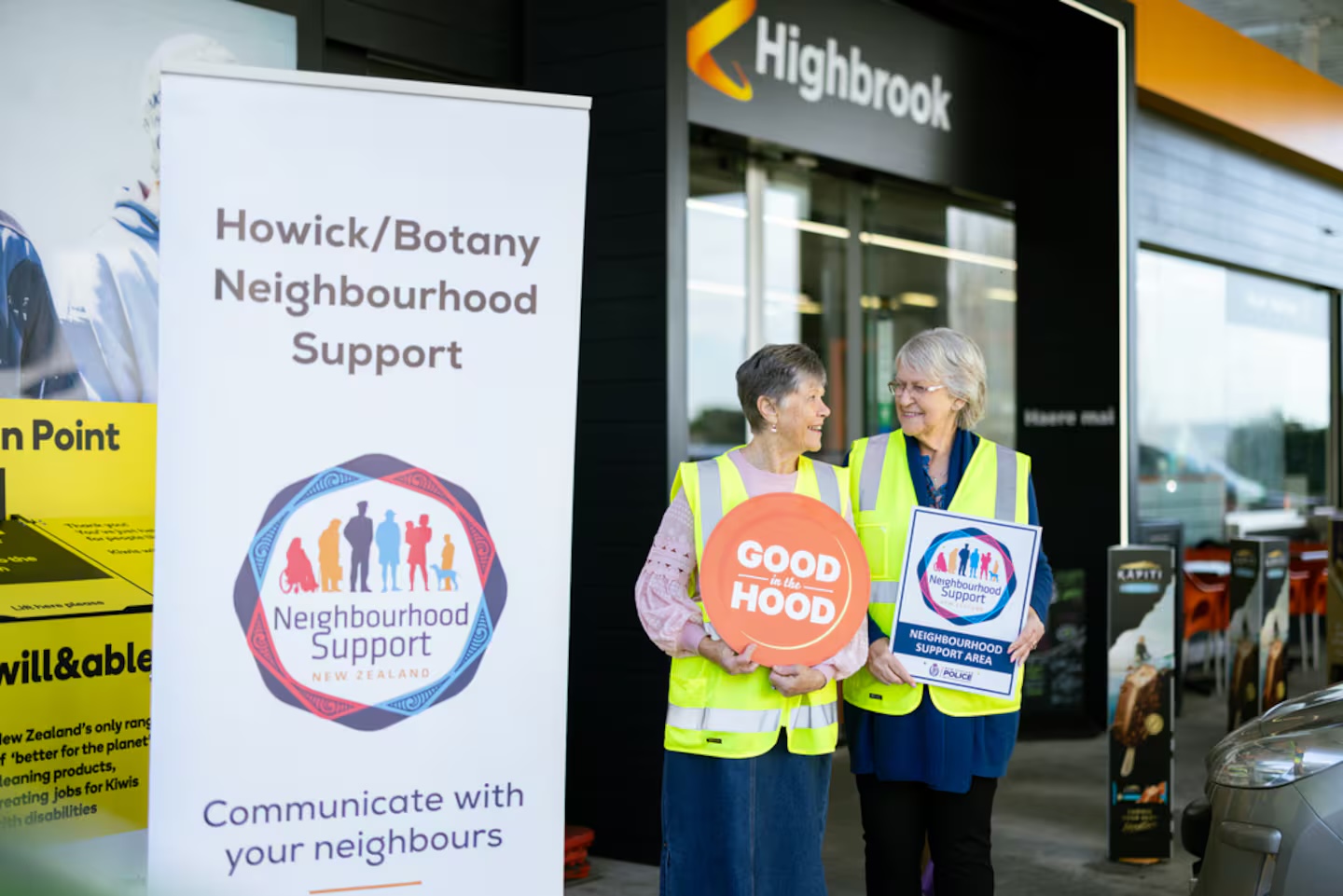
Good in the Hood has evolved and improved since launching in 2011.
To grow young minds and help children succeed, sometimes you need to let them get their hands dirty. That’s something Michelle Turner has seen first-hand while working for the charity Oke, which provides gardens for schools to use as outdoor classrooms. “So many kids who don’t do well in a traditional classroom thrive when you get them outside in the garden,” Michelle says.
Being part of Z Energy’s Good in the Hood campaign is a fantastic opportunity for Oke, she says. The funds help provide schools with supplies such as garden mix, tools, fruit trees and vegetable seedlings, as well as teaching assistance from an Oke School Mate. “We’re a really small charity so fundraisers like Good in the Hood help us a lot. It’s also really fun,” says Michelle.
AA Directions Magazine, Spring 2024
Chris Jupp spends his Thursdays elbow deep in fresh fish parts that might otherwise be bound for the bin. He fills bags, buckets and boxes with hundreds of kilos of fish heads and frames to distribute to members of the Wellington community, who treasure this bounty.
He is operating a satellite of LegaSea’s The Kai Ika Project, initially established in Auckland in 2016 to address the interconnecting issues of food insecurity and marine sustainability in New Zealand.
Stuff.
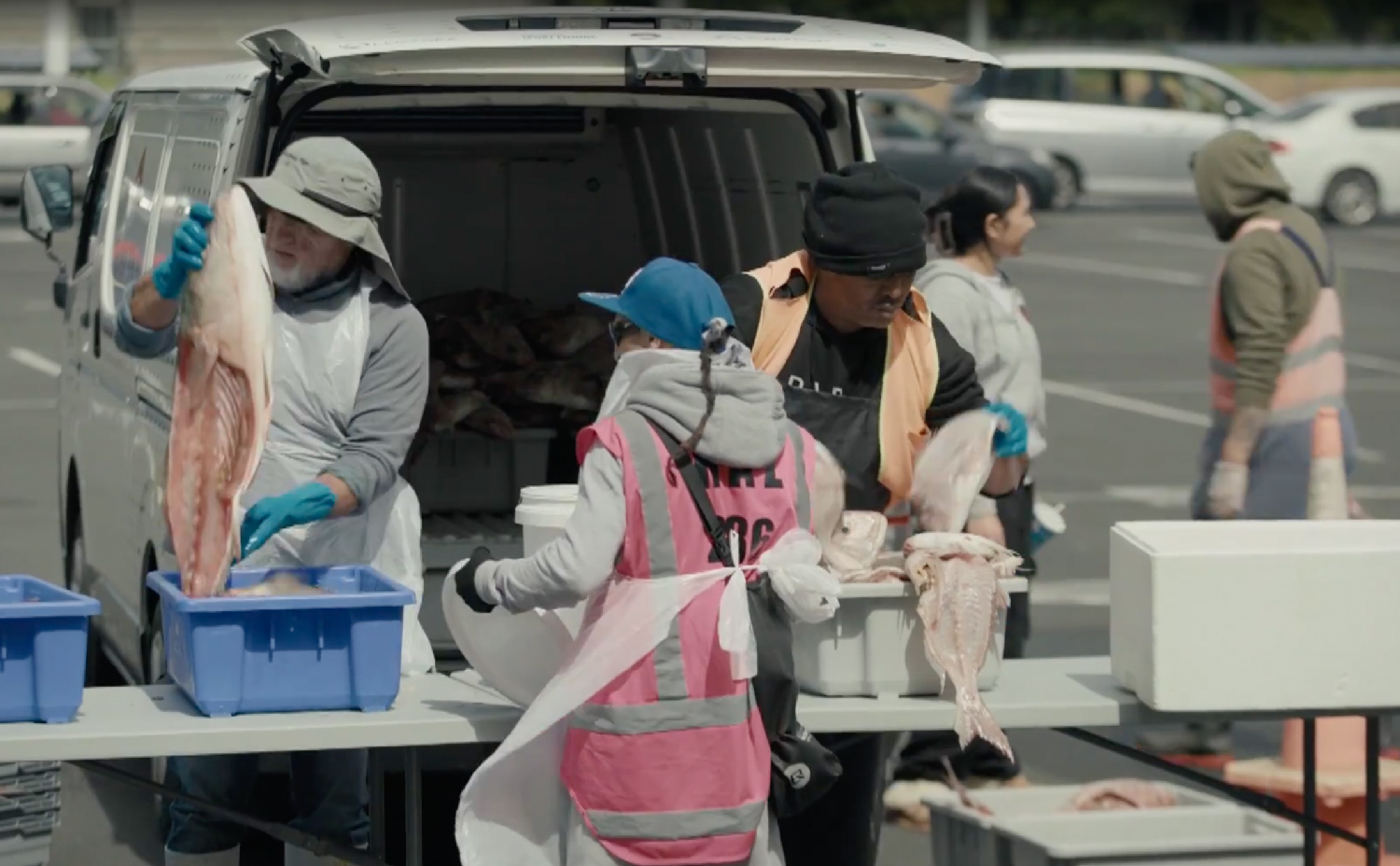
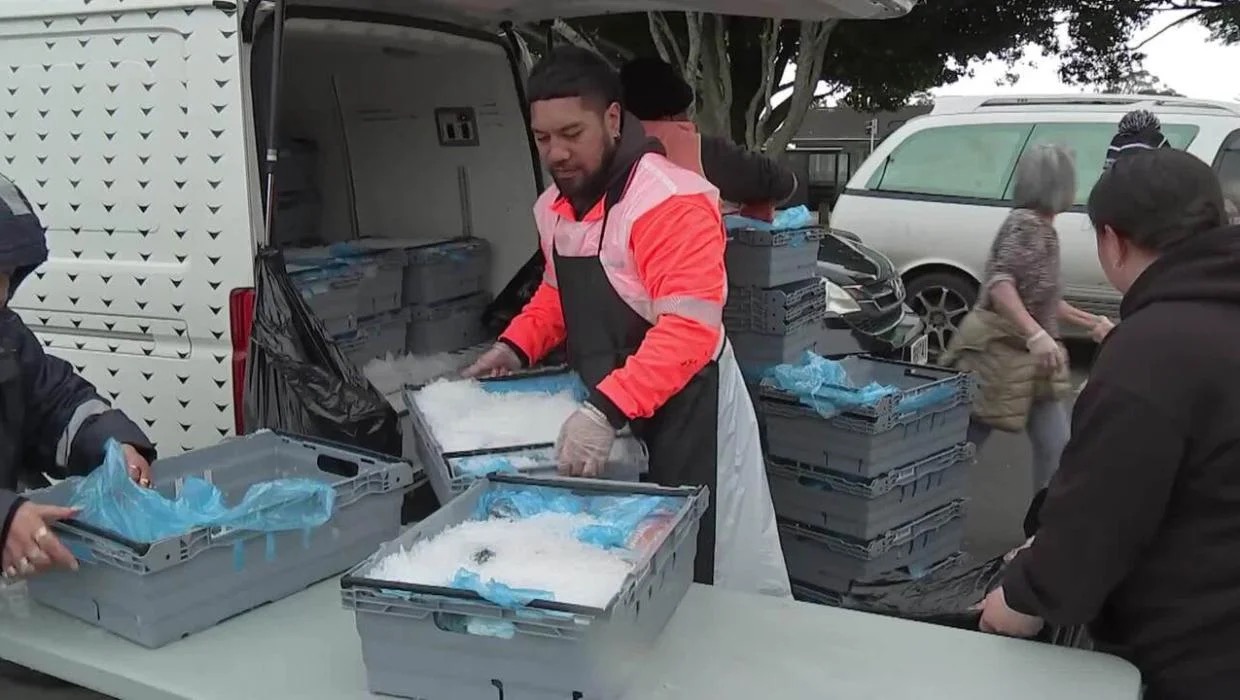
On a Friday morning, Centre Park in Auckland’s Māngere is absolutely chocka with cars waiting for one thing… fish.
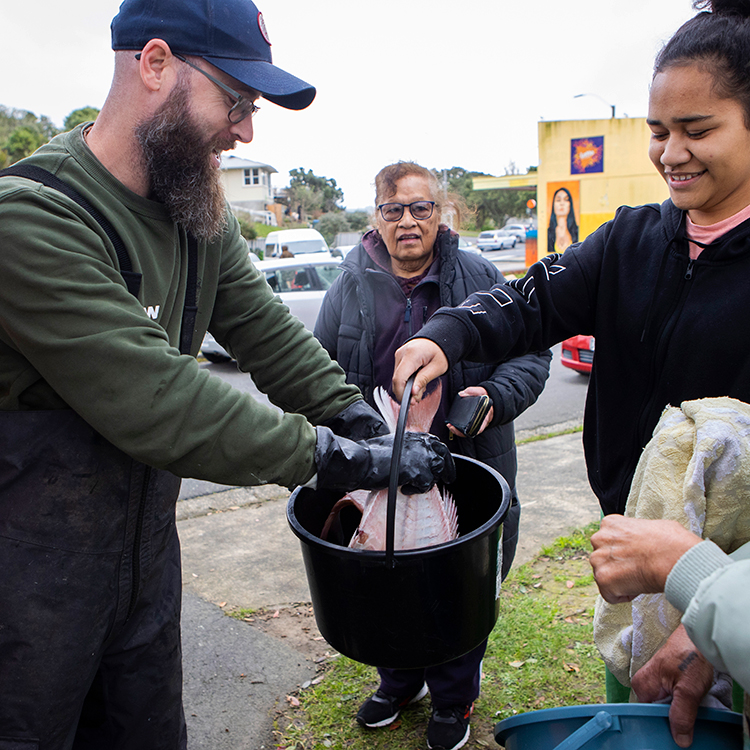
It’s part of an an initiative called The Kai Ika Project, a collaboration between Papatūānuku Kōkiri Marae, LegaSea, non-commercial and commercial fisheries, which has seen demand skyrocket.
The Kai Ika project collects the parts of fish that are being discarded from recreational and commercial fishers. According to the project, fillets you buy in the shop are only 30 to 35% of the total fish.
The Spinoff, September 23, 2024
The least popular eating fish tend to also be the most sustainable. But the two don’t have to be mutually exclusive if you know what to do with them.
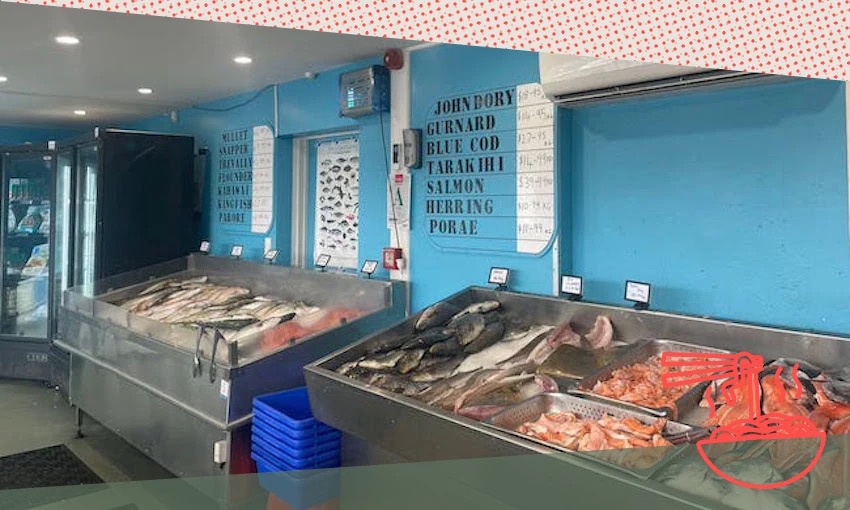
Lately, I’ve been thinking a lot about fish. Fresh fish, tinned fish, raw fish, fish stock, fish curry, fish frames, fish and chips. It’s something I love to order at a restaurant (a hāpuku steak cooked well is hard to beat) and to cook at home, especially oven-steaming salmon in little baking paper parcels with mushrooms, spring onions and a miso dressing, using trevally in a fragrant Goan curry or making the most of fresh sardines whenever I see them and making one of my favourite Sicilian dishes, pasta con le sarde.
Three now
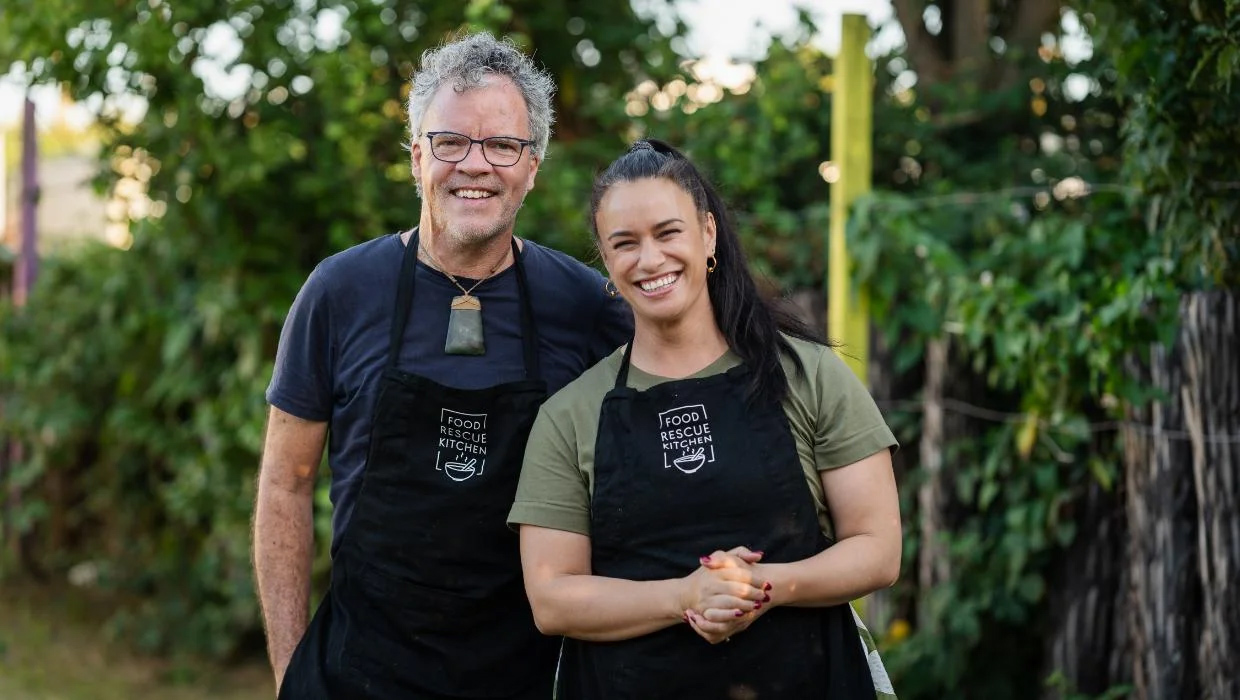
Naomi Toilalo is on a food rescue mission. Join her as she challenges legendary Chef Peter Gordon to cook a 3 course meal out of rescued food at Papatuanuku Kokiri marae.
Published in The Spinoff.
Auckland may be the largest city in Aotearoa, but it’s the small community-led organisations within it that make the city thrive. The Spinoff spoke to two council-funded organisations who are doing their bit.
A similar nexus of community interests first breathed life into The Kai Ika Project, a collaboration between the Outboard Boating Club, LegaSea, Westhaven Marina and Papatūānuku Kōkiri Marae. It began in 2016 when the club approached LegaSea seeking ideas about what to do with the unwanted bits of fish left over at their onsite filleting stations. At the time the club was dumping them, but as LegaSea’s programme lead Sam Woolford explains, they knew they could “do better”. “We said, ‘Well, why don’t you give them to the marae?’”