Anybody who loves to fish understands the importance of reeling them in responsibly, but are we doing enough off the water to make the most of every catch?
In addition to generating social, economic, and cultural benefits, The Kai Ika Project has four main goals: to minimise people’s harmful impact on the marine environment, divert unnecessary waste away from landfill, create meaningful employment, and educate others on the importance of respecting every fish they collect.
In Auckland, NZ, The Kai Ika Project was created to utilize fish heads, frames and offal which were previously going to waste. Since September 2016, previously discarded fish parts have been collected from the Outboard Boating Club by Papatūānuku Kōkiri Marae whanau and redistributed to families and community groups in South Auckland who value these fish parts and can make healthy, nutrient-rich meals out of them.
The best ideas are always simple, they make sense and when you first hear of them, almost every time they make you wonder why you or somebody else didn’t think of it before.
LegaSea is a not-for-profit organisation advocating maximum utilisation and minimal impact. They want to encourage people to consume all the fish and get as much value as possible from it. This shows the animal respect and as fishers, makes us feel a sense of fulfilment and joy because we have done the right thing.
Thomas and Sheena are the creators of the Youtube channel ‘Chasing A Plate‘ and are food and travel friends. Every so often they’ll share videos about Food Disruptors- people, organisations, community groups and projects who are working to tackle problems and effect positive change in the food space.
For this video they follwed around The Kai Ika Project team and captured the daily routine of recovering previously unwanted fish parts and sharing them with the community.
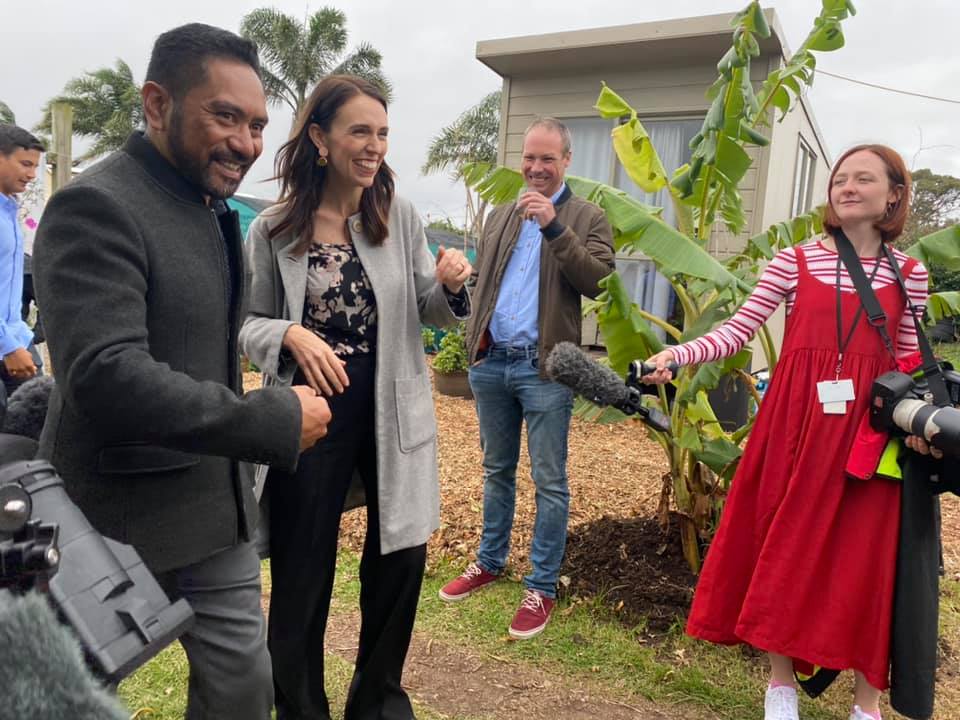
In April 2021 The Kai Ika Project had the privilege of hosting Prime Minister Jacinda Ardern at the Papatūānuku Kōkiri Marae, to share the kaupapa around recovering unwanted kai moana to feed appreciative communities.
The visit started off with an official pōwhiri for Prime Minister Ardern which led to an opportunity for Ardern to speak:
“Let’s take this brilliant idea and grow it. If we can replicate projects such as Kai Ika, we could be a country free of poverty when we have an abundance of resources.”
Ardern continued to recognise the contributions LegaSea has made in the fisheries conservation space.
“I do want to acknowledge LegaSea, you do incredible work. I know you’ve been a driving force here and you are an advocate for not just projects like this but of course making sure we look after the ecology of our marine life and that we think about abundance and restoring abundance.” Jacinda Ardern.
Ardern was introduced to the Kai Ika filleting station and educated on the logistics of Kai Ika, which includes picking up recovered kai moana and distributing it to the community. She was given a tour around the marae where the Kai Ika team showed her how inedible fish parts are used as an organic alternative to fertiliser for maara kai.
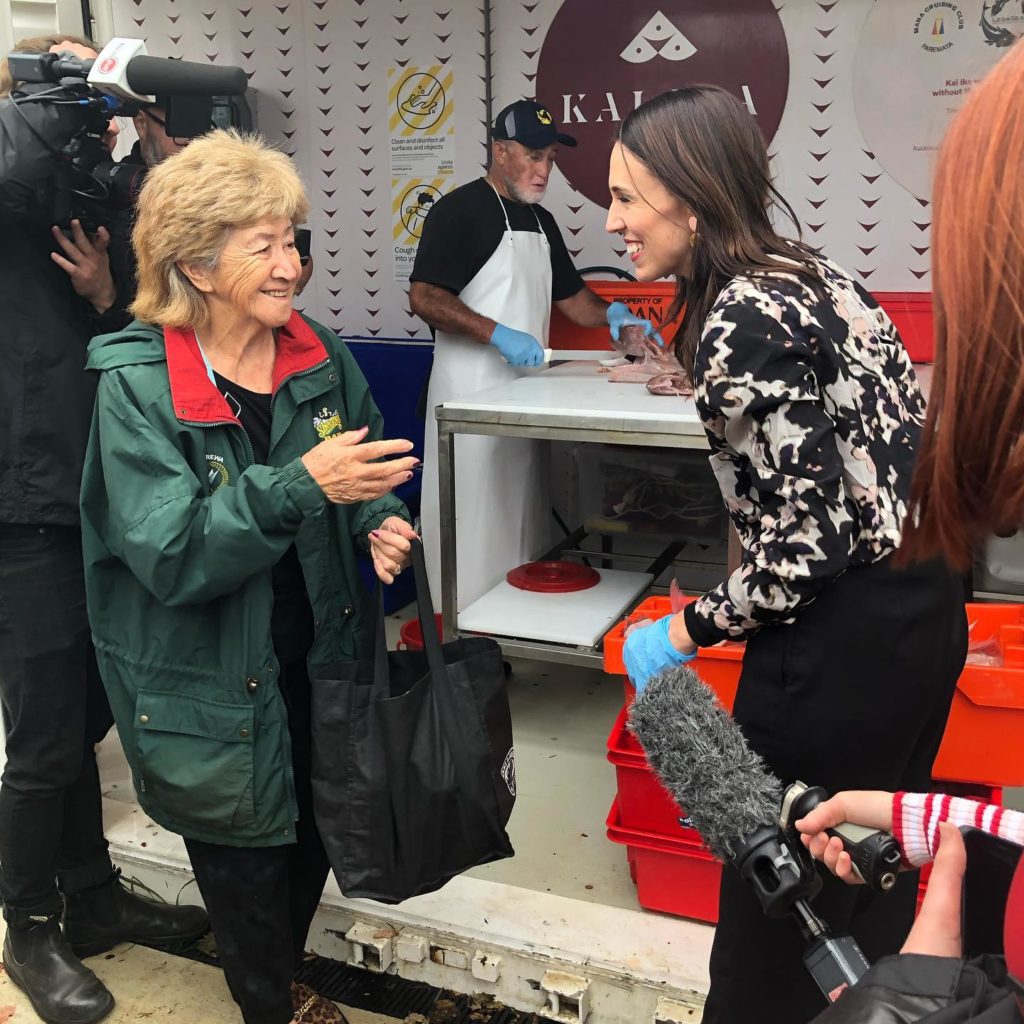
The daily distribution was in full force with families waiting patiently to receive their kai moana. It was a special day with the marae buzzing with media and the Prime Minister herself donning a pair of gloves and handing out recovered fish parts.
“It’s extremely humbling to have the Prime Minister spend time with us and be genuinely interested in our kaupapa. She has given us the motivation to continue our mission and to take our project to the next level.” Dallas Abel, Kai Ika Project Coordinator.
—
Kai Ika was established in 2016 through a partnership between LegaSea, the Papatūānuku Kōkiri Marae and the Outboard Boating Club of Auckland. LegaSea identified an issue around recreational and commercial fishers under utilising their catch. Since its inception, The Kai Ika Project has recovered over 140,000kg of fish heads and frames which would have usually ended up in landfill.
The ultimate goal for the initiative is to change the way people perceive ‘waste’. Addressing food insecurity across Auckland is one of the ways this is being accomplished. The program also aims to reduce people’s impact on the marine environment through promoting maximum utilisation of every fish harvested from the ocean.
A solution to an environmental challenge has developed into a project that is proving transformational on multiple levels.
THEY SAY THE greatest ideas come from problem solving – and that couldn’t be more true for the Kai Ika Project. What began as a quest to find use for discarded fish parts has evolved into a dynamo which not only distributes unwanted seafood among impoverished communities, but also delivers an invaluable service to fishers, and is creating employment and increasing awareness of sustainability.
The Kai Ika filleting trailer is a food cart with a difference. Based at Auckland’s Westhaven Marina, for just a few dollars they’ll fillet your fish for you. In partnership with five Auckland marae, they distribute the leftover frames and heads to whanau in need and use the guts to fertilise the marae māra kai.
Join Clarke Gayford as he heads into the Hauraki Gulf in search of his fish of the day – the New Zealand gurnard. Gurnard are usually caught when fishing for snapper in sandy harbours or out on sandy coastal flats but can Clarke target them specifically to fill an order from world-renown chef Peter Gordon. Peter has a dish he wants to share with Clarke that will feature the gurnard, a fish he remembers well before leaving for London over 30 years ago. He also needs a few scallops so Clarke will dive for those further north. While he is up there he wants to take a look at the Goat Island marine reserve as falling numbers of fish and crayfish there are worrying signs of a declining ecosystem.
From there Clarke returns to Westhaven Marina to get his fish filleted at the new Kai Ika Project filleting station. Returning fishermen are able to get the fish filleted here by professional filleters for a small fee, but the best thing about the Kai Ika project is that all the heads and frames go to feed hungry families around the Papatuanuku Kokiri Marae in South Auckland and the offal is used in the gardens to produce vegetables. Zero waste and a win win for Westhaven.
This article appeared in the print edition of the New York Times and was likely read by tens of millions of readers.
“A Maori community center in New Zealand is distributing bags of donated fish heads to families in need. But it’s more than just charity; it’s a model for reducing food waste. “
Papatūānuku Kōkiri Marae is struggling to keep up with demand for its fish. The marae is running a partnership with Legasea that provides fish parts that were once considered by commercial fishermen as waste.
But the economic hardship caused by Covid-19 means the popular kai ika initiative can’t meet all the needs.